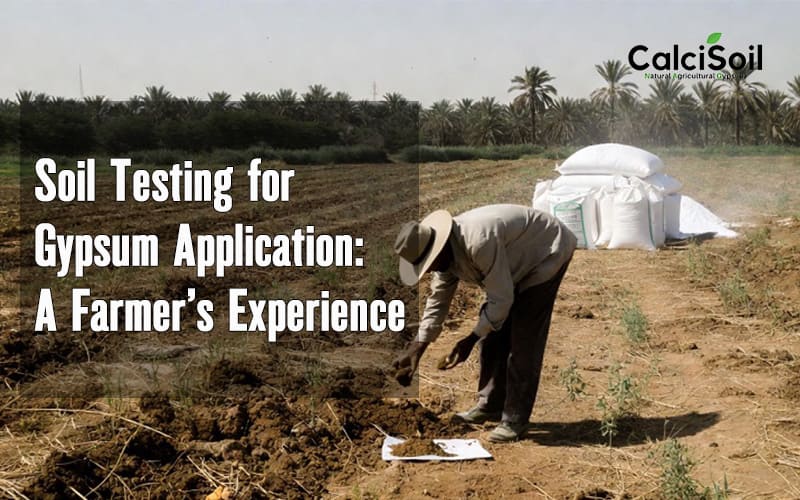
Why Soil Testing is Essential Before Applying Agricultural Gypsum
As a farmer who’s spent years tinkering with soil amendments, I’ve learned that jumping straight into applying agricultural gypsum without a proper soil test is like driving blindfolded—you might get lucky, but chances are you’ll hit a bump. Soil testing isn’t just a checkbox; it’s the foundation for making smart decisions about gypsum for agricultural use. It reveals critical details like pH levels, nutrient imbalances, and salinity issues that could make or break your crop yields. Without it, you risk over-applying agricultural gypsum powder, which could lead to nutrient excesses or even harm sensitive plants in low-pH soils below 5.0.
Think about the variability in your fields—different sections might have compacted clay in one spot and sandy loam in another. A soil test helps pinpoint where agricultural gypsum is truly needed, such as in sodic soils where sodium buildup stifles root growth. For instance, if your test shows high exchangeable aluminum or low calcium saturation, gypsum fertilizer becomes a game-changer by replacing harmful ions with beneficial calcium. This not only improves soil structure but also enhances water infiltration, reducing erosion and runoff. Farmers often overlook this step, but skipping it can inflate your agricultural gypsum price per acre without delivering results.
In my experience chatting with fellow growers, those who test regularly see long-term savings. They buy agricultural gypsum only when necessary, avoiding wasteful applications. Plus, with natural gypsum powder being a neutral amendment that doesn’t alter pH like lime does, testing ensures you’re addressing specific deficiencies without unintended side effects. Ultimately, it’s about working with your soil’s unique profile to foster healthier roots and more resilient crops.
Key Benefits of Using Gypsum Based on Soil Test Results
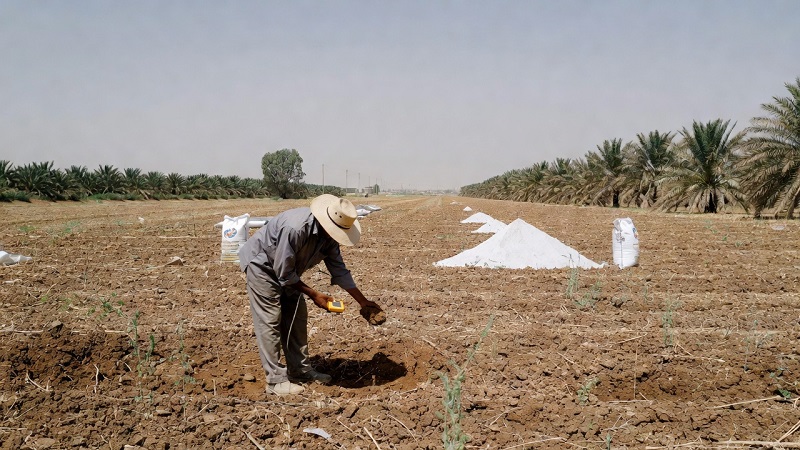
Once you’ve got your soil test in hand, the real magic of gypsum powder for agriculture unfolds. One major perk is improved soil aggregation, especially in heavy clay or sodic soils where water pools after rain. By applying gypsum based on test-recommended rates, you can loosen compacted layers, allowing roots to delve deeper for moisture and nutrients. This is particularly vital in arid regions where every drop counts, and it directly boosts crop productivity without the need for excessive irrigation.
Another standout benefit is nutrient optimization. Soil tests often highlight sulfur or calcium shortages, and gypsum fertilizer steps in as a dual supplier—delivering both without spiking pH. Farmers who’ve tested and applied agricultural gypsum report better uptake of phosphorus and potassium, leading to stronger plants and higher yields. For example, in fields with high magnesium but low calcium, gypsum restores balance, preventing issues like blossom-end rot in tomatoes or reduced nodulation in legumes. It’s not just about adding stuff; it’s about creating a harmonious environment where your crops thrive.
From an environmental angle, targeted gypsum use cuts down on runoff. Tests showing elevated phosphorus levels mean you can apply gypsum to bind it, reducing dissolved phosphorus in waterways—a win for sustainability. Plus, with options to buy agricultural gypsum in bulk at competitive prices, informed applications mean you’re investing wisely. Over time, this leads to softer, more workable soil that supports beneficial microbes, turning your farm into a more efficient, eco-friendly operation.
Step-by-Step Guide to Soil Testing for Gypsum Needs
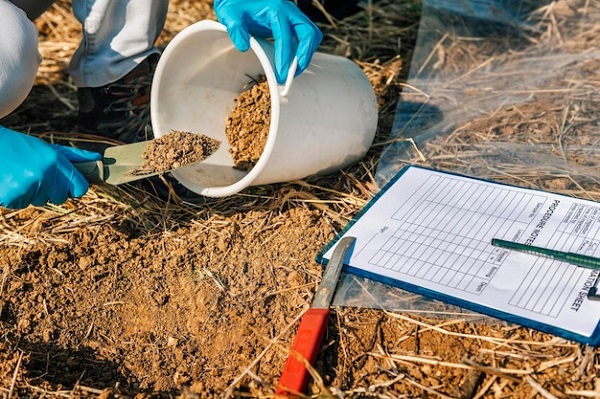
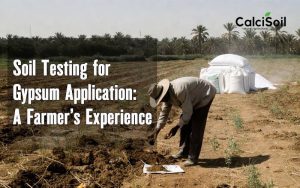
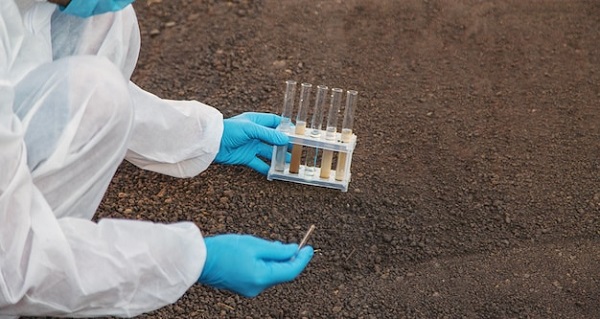
Getting started with soil testing for gypsum application is simpler than it sounds—grab your tools and let’s break it down. First, collect samples from multiple spots in your field, ideally 10-15 per acre, using a soil probe or auger to dig 6-8 inches deep for topsoil and deeper for subsoil checks. Mix them in a clean bucket, removing debris, and send about a pound to a reputable lab like your local extension service. This ensures accurate readings on CEC, calcium, magnesium, pH, and phosphorus—key for deciding on agricultural gypsum powder.
Next, wait for results, which usually take 1-2 weeks, and review them carefully. Look for indicators like exchangeable aluminum over 1.0 meq/100g or base saturation below 70% for calcium—these scream for gypsum intervention. If salinity is an issue, test for electrical conductivity (EC) too. Based on guidelines from sources like the NRCS or land grant universities, calculate your needs; for instance, don’t exceed 5 tons/acre annually to avoid imbalances.
Finally, retest annually or after major applications to track changes. This ongoing process helps refine your strategy, ensuring you get the most from gypsum for agricultural use. I’ve seen farmers transform struggling fields this way, turning data into dollars through better-informed purchases of natural gypsum powder.
Interpreting Your Soil Test: What to Look For
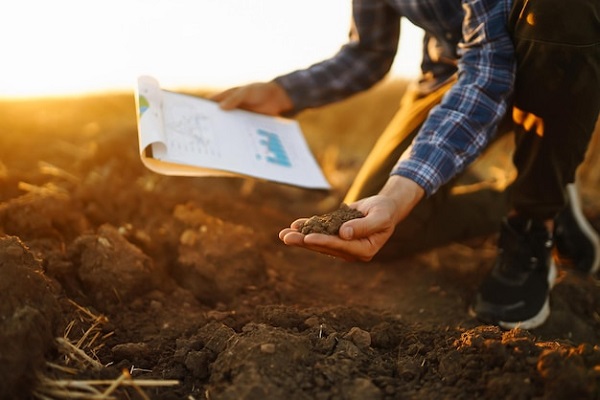
Decoding a soil test report can feel like reading a foreign language at first, but focus on the essentials for gypsum decisions. Key metrics include cation exchange capacity (CEC), which tells how well your soil holds nutrients—low CEC soils benefit more from gypsum to boost calcium without leaching. Also, check base saturation percentages: aim for 70-80% calcium and 10-13% magnesium. If sodium edges out calcium, that’s a red flag for sodic conditions where agricultural gypsum shines by displacing sodium.
pH is another biggie, though gypsum doesn’t change it directly. If pH is acidic (below 5.5), pair gypsum with lime, but test first to avoid plant harm. Sulfur levels matter too—deficiencies show up in younger leaves, and gypsum fertilizer provides a soluble source. Phosphorus readings are crucial; high levels mean gypsum can reduce runoff by binding it, as per USDA guidelines.
Don’t ignore aluminum toxicity in subsoils—tests showing over 1 meq/100g warrant higher gypsum rates from trusted sources. Overall, interpreting these helps you buy agricultural gypsum smartly, matching application to your soil’s story for optimal health.
Determining the Right Agricultural Gypsum Application Rate
Figuring out how much agricultural gypsum to apply starts with your test results—there’s no one-size-fits-all. For general soil improvement, rates hover at 1-2 tons/acre if tests show low calcium or high salinity. In sodic soils, bump it to 2-5 tons based on CEC: lower CEC needs less, like 0.25 tons for under 5 meq/100g. Always cap at university-recommended max to prevent excesses.
Consider crop type and goals—corn or soybeans might need 65-80 lbs/acre for sulfur, while broader structure fixes call for 1-1.5 tons. Timing matters: apply pre-planting for best incorporation, and use fluid or powdered forms for even spread. Factor in agricultural gypsum price—bulk buys reduce costs, but only apply what’s needed to maximize ROI.
Monitor post-application with follow-up tests to adjust future rates. This precision ensures gypsum powder for agriculture delivers without waste, fostering deeper roots and better yields.
Common Mistakes to Avoid in Gypsum Application
One pitfall is ignoring soil tests altogether, leading to over-application and imbalances. Without data, you might dump gypsum on already calcium-rich soils, wasting money on agricultural gypsum. Another error: applying on frozen or snow-covered ground, risking runoff and loss.
Misjudging rates is common—too little does nothing, too much (over 5 tons/year) can disrupt magnesium or potassium. Also, forgetting to incorporate lightly means surface gypsum washes away. Always check product quality; impure sources hike agricultural gypsum price without benefits.
Lastly, neglecting retesting post-application misses ongoing needs. Avoid these by planning with tests, ensuring natural gypsum powder enhances your farm sustainably.
Real-World Examples: Success Stories from Farmers
Take a Midwest corn farmer who tested and found low sulfur—applying gypsum fertilizer at 1 ton/acre boosted yields by 15%. In California, a vineyard owner used soil data to combat salinity with agricultural gypsum powder, improving water infiltration and grape quality. These stories show testing turns challenges into triumphs.
In Ohio, soybean growers applied based on CEC tests, reducing compaction and enhancing drainage. Their buy agricultural gypsum strategy paid off with healthier soils and lower erosion.
Globally, arid-region farmers report similar wins, proving informed gypsum use builds resilient farms.
Conclusion
In the end, soil testing before applying agricultural gypsum isn’t just a technical recommendation—it’s a smart investment for any farmer who wants to get the maximum return from their land. By knowing your soil’s exact condition—from salinity levels and calcium status to cation balance—you can apply the precise amount of agricultural gypsum or gypsum powder for agriculture without wasting money or harming your soil.
Farmers who take this approach seriously usually see noticeable improvements in soil structure, better water infiltration, reduced salinity problems, and, ultimately, higher yields with superior crop quality. If you haven’t done a soil test yet, start today; the results will not only help you choose the best agricultural gypsum for sale but also pave the way for more sustainable and profitable farming, even in challenging climates like those in the UAE. Agricultural gypsum is a powerful tool, but when paired with real soil data, it becomes a true, long-term solution for healthier fields and stronger harvests.